1. When we know about the future we normally use the present tense.
We use the present simple for something scheduled or arranged:
We have a lesson next Monday.
The train arrives at 6.30 in the morning.
The holidays start next week.
It is my birthday tomorrow.
We can use the present continuous for plans or arrangements:
I’m playing football tomorrow.
They are coming to see us tomorrow.
We’re having a party at Christmas.
2. We use will to talk about the future:
When we make predictions:
It will be a nice day tomorrow.
I think Brazil will win the World Cup.
I’m sure you will enjoy the film.
To mean want to or be willing to:
I hope you will come to my party.
George says he will help us.
To make offers and promises:
I'll see you tomorrow.
We'll send you an email.
To talk about offers and promises:
Tim will be at the meeting.
Mary will help with the cooking.
3. We use (be) going to:
To talk about plans and intentions:
I’m going to drive to work today.
They are going to move to Manchester.
When we can see that something is likely to happen:
Be careful! You are going to fall.
Look at those black clouds. I think it’s going to rain.
4. We often use verbs like would like, plan, want, mean, hope, expect to talk about the future:
What are you going to do next year? I’d like to go to University.
We plan to go to France for our holidays.
George wants to buy a new car.
5. We use modals may, might, and could when we are not sure about the future:
I might stay at home tonight, or I might go to the cinema.
We could see Mary at the meeting. She sometimes goes.
6. We can use should if we think something is likely to happen:
We should be home in time for tea.
The game should be over by eight o’clock.
7. Clauses with time words:
In clauses with time words like when, after, and until we often use a present tense form to talk about the future:
I’ll come home when I finish work.
You must wait here until your father comes.
They are coming after they have dinner.
8. Clauses with if:
In clauses with if we often use a present tense form to talk about the future:
We won’t be able to go out if it rains.
If Barcelona win tomorrow they will be champions.
WARNING: We do not normally use will in clauses with if or with time words:
I’ll come home when I will finish work.
We won’t be able to go out if it will rain.
But we can use will if it means a promise or offer:
I will be very happy if you will come to my party.
We should finish the job early if George will help us.
9. We can use the future continuous instead of the present continuous or going to for emphasis when we are talking about plans, arrangements and intentions:
They’ll be coming to see us next week.
I will be driving to work tomorrow.
domenica 29 gennaio 2017

mercoledì 25 gennaio 2017
SOME OF THE TOP ARCHITECTURE MASTERPIECES
Because architecture is cool.
Architecture
isn’t solely the interest of older generations; instead, it’s a prime
interest of millennials, student tourists, young explorers. Here are 10
of the most frequently visited works of architecture topping every young
traveler’s list.
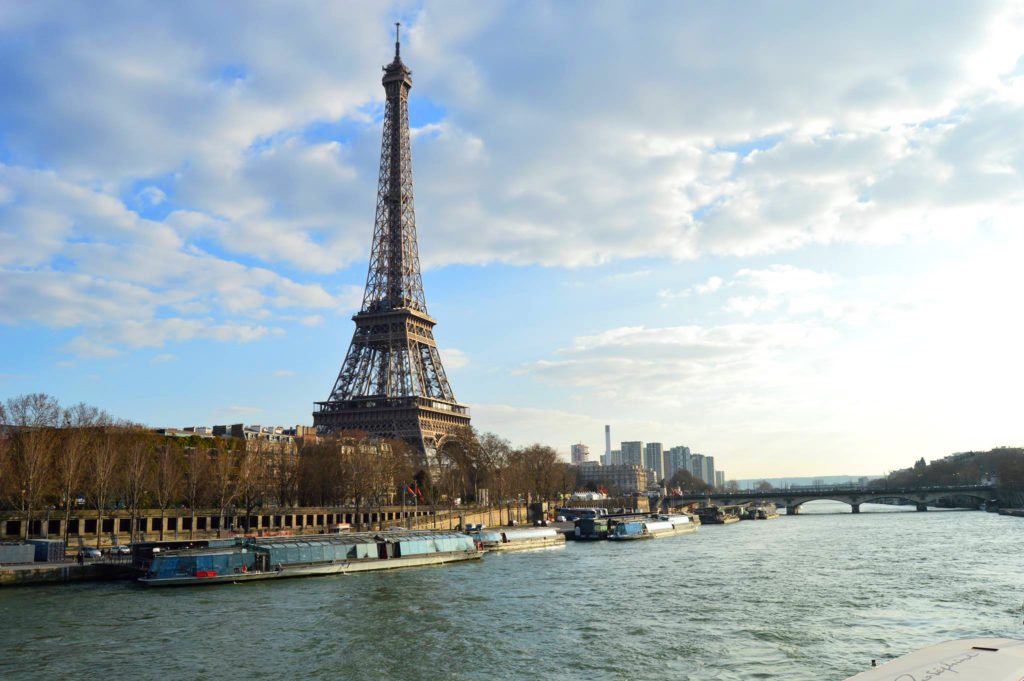
The Eiffel Tower, Paris, France
The Eiffel
Tower is one of the world’s most iconic works of architecture, making it
a top attraction for young, wide-eyed travelers. Built for the 1889
World’s Fair, the Eiffel Tower is a thousand-foot-high masterpiece of
latticed wrought iron, nuts and bolts. All 7,300 tons of it’s
intricately designed frame has been hand- painted (and repainted) to
remain looking shiny and new for generations of travelers to climb it’s
limbs. The Tower is open to the public 365 days a year and has 3 levels
to explore. The transparent first floor is accessible by stairs and has
resting areas, restaurants and an immersion show; the second floor has a
champagne bar to toast to past, present and future adventures; and the
jaw-dropping third floor has a picture-perfect, panoramic view of the city of love.
It should come as no surprise that the top of the Eiffel Tower is the
venue-of-choice for countless proposals and true loves first (french)
kiss.

The Leaning Tower of Pisa, Pisa, Italy
Built from 1173
until 1399 in the small Italian city of Pisa, the Leaning Tower of Pisa
is a stunning, yet confusing work of architecture. Everyday young
tourists hop on the train from Florence to Pisa to find out one thing
and one thing only... why is the leaning tower... leaning? The fact is,
it wasn’t designed to be a leaning tower. During the bell tower’s
creation, it began to angle to the side a little, and then a little
more, and then a lot. To prevent the tower from leaning to the point of
its collapse, architects brainstormed ways to stop its frame from
slanting. They decided upon curving the frame of the tower—and it
worked! Today, tourists can still climb the 251 steps to the top of the
pure-white tower and peer down over the city.
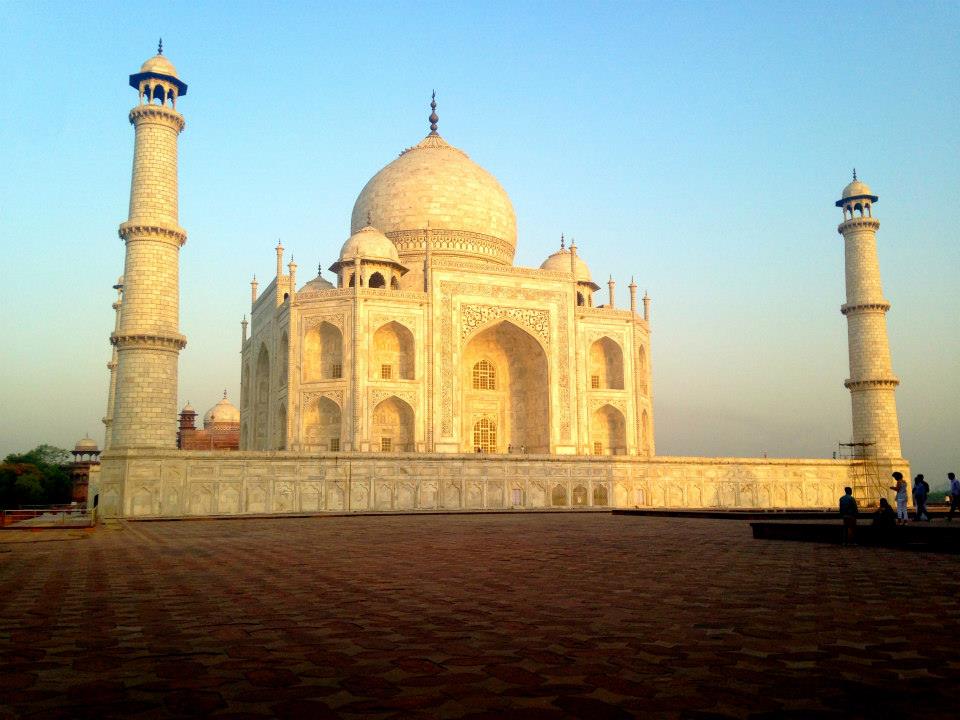
The Taj Mahal, Agra, India
The Taj Mahal
is an Indo-Islamic architectural masterpiece that remains the ultimate
monument of love. The Taj Mahal was built by the fifth Mughal Emperor,
Shah Jahan, to commemorate the life of his third wife, Mumtaz Mahal.
Mumtaz Mahal, died after giving birth to her thirteenth child.
Immediately after her death, Shah Jahan began planning the design for an
appropriate mausoleum for his wife to be buried in. It took 22 years
for the structure to be complete, but in 1648 AD, the marvelous Taj
Mahal was finished and Mumtaz Mahal’s body was relocated to the royal
tomb inside.
The Taj Mahal
is one of the biggest wonders of the world, as it is a colossal,
symmetrical, white marble mosque dating back to the 17th century.
Surrounding the Taj are magnificent gardens and leading up to the
structure are two large walkways and a long, reflection pool. Though it
is still a mystery who designed the structure, it is known that over
20,000 workers built it. Its pure beauty and historical reputation for
true love are what make the Taj Mahal a young traveler’s dream
destination.
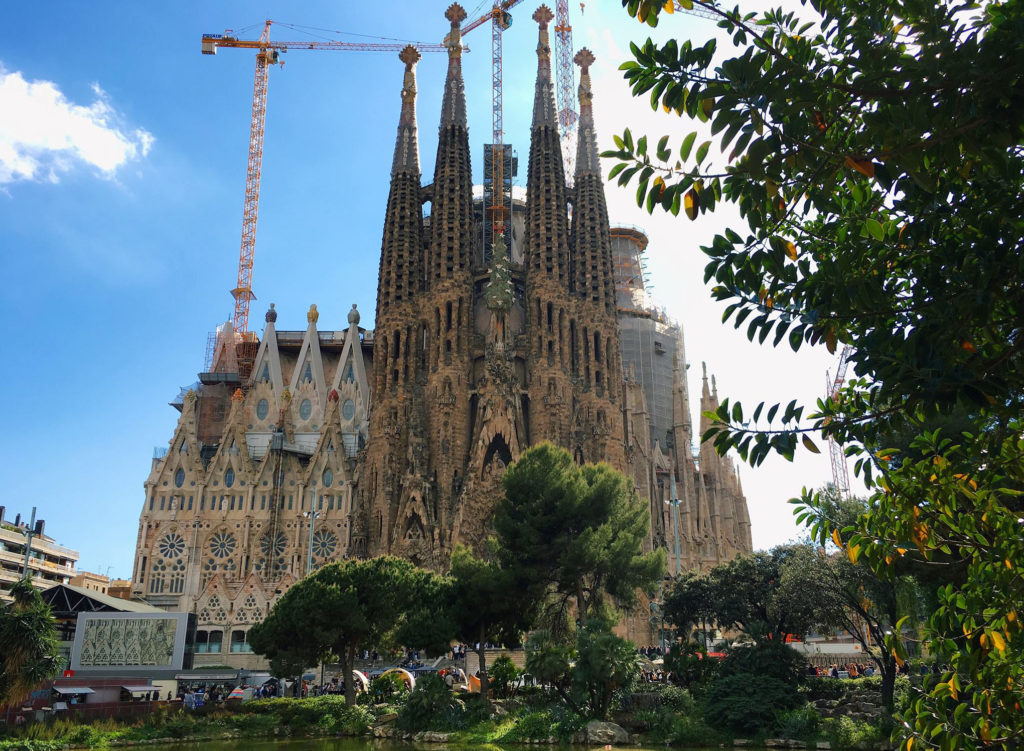
La Sagrada Familia, Barcelona, Spain
Designed by
Spanish architect Antoni Gaudi, La Sagrada Familia’s remarkable frame is
as majestic as it is massive. This architectural masterpiece is
deservingly the most visited monument in Spain, displaying four sides of
complex stonework and hand-painted brilliance. The cathedral has two
sides that are all-but-complete—the Nativity Façade and the Passion
Façade—which visitors from all over the world come to admire. The
Nativity Façade, built by Antoni Gaudi from 1882 up until his death in
1926, is made of four enormous bell towers and the portico. The portico
is composed of three sections, each representing the Christian virtues
faith, hope and charity. The Passion Façade was recently constructed and
is equally incredible, representing the passion and death of Jesus
Christ.
Though the
exterior of the cathedral is what most young travelers come to see, the
interior is even more breath taking. The stained glass windows cast
shards of florescent blue, green, orange and red light onto the alter
and the ceiling is composed of tree-shaped stone, making the acoustics
come alive.
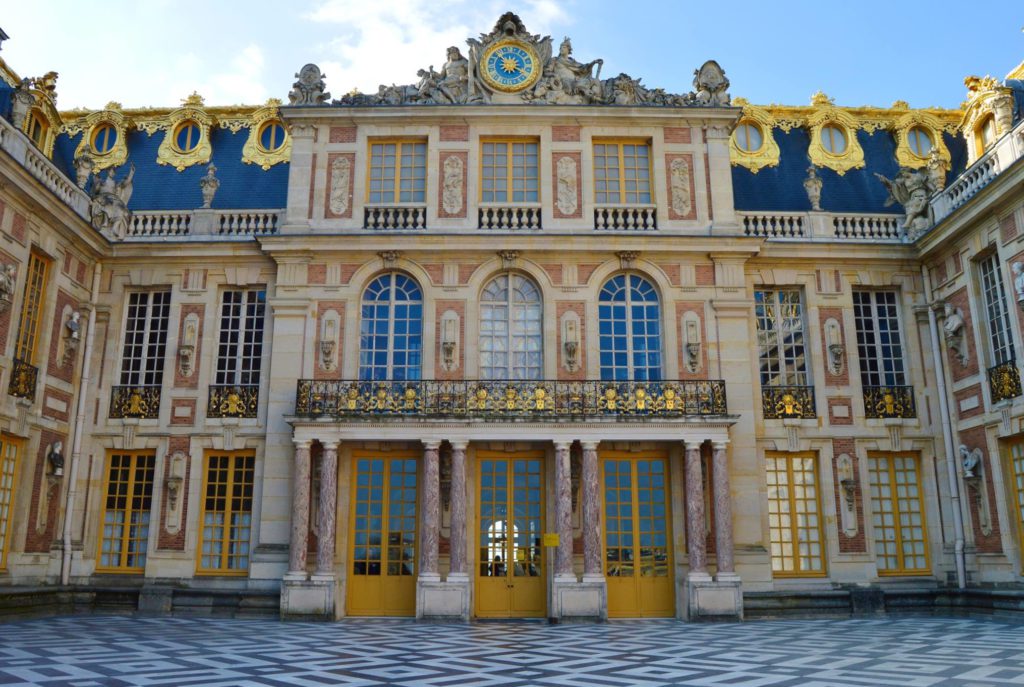
The Palace of Versailles, Versailles, France
Only 10 miles
southwest of Paris is the Palace of Versailles. This UNESCO World
Heritage site was initially built in 1631 as a chateau hunting lodge for
King Louis XIII. When King Louis XIV took over the kingdom in 1682, he
transformed the small chateau into the enormous royal palace that it is
today. The Palace encompasses north and south wings, an ornately
decorated grand hall (The Hall of Mirrors), the King’s grand apartments,
gold-plated dining halls and rooms filled with extraordinary French
art; the palace truly embodies everything rich, precious and exquisite.
Placed directly behind the palace is a maze of perfectly-kept gardens,
with majestic sculptures, fountains and ponds. The allure of the
palace’s rich history and opulent features entices young travelers to
delve into old French royalty and walk the palace halls like
Marie-Antoinette.
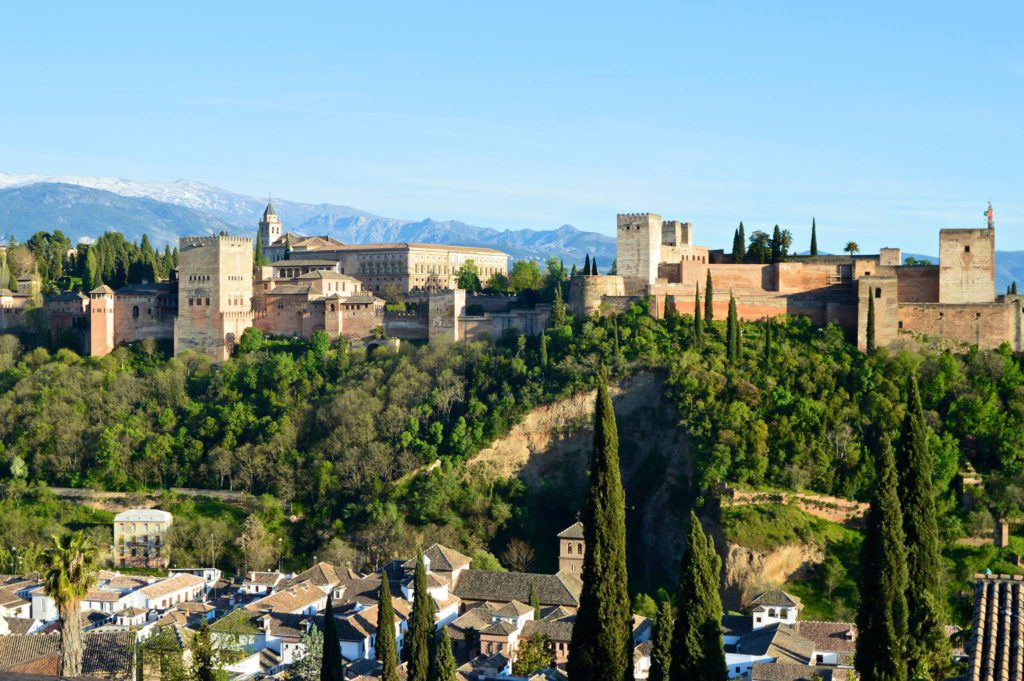
The Alhambra, Granada, Spain
The Alhambra is
Granada’s most famous work of Islamic architecture and most visited
tourist attraction. The medieval palace was born in 889AD when a small
military fortress was built atop hill al-Sabika on Roman ruins. It
wasn’t until the 13th century, when moorish emir Mohammed ben Al-hamar
arrived, that the fortress was reconstructed into the royal palace that
remains today. The Alhambra is complied of 5 major sections, each of
which are unique in form and beauty.
The Nasrid
Palace is the hardest section to get tickets for and is made up of three
independent areas: the Mexuar, the Comares Palace and the Palace of the
Lions. To get tickets for the Nasrid Palace, tourists must wait in line
early in the morning or reserve tickets months before their arrival
date. The Medina is the second section of the Alhambra and is a citadel
with public baths, ovens, workshops and silos. The Medina was home to
top government officials, court servants and employees. Alcazaba is the
third section and is an old military area that contains a large
watchtower. The views from the watchtower are incredible—as it’s
possible to see the entire city of Granada, as well as the Sierra Nevada
mountains. Generalife is the fourth section of the Alhambra and is a
gorgeous villa surrounded by colorful gardens and orchards. The last
section of the Alhambra is the Palace of Charles V, which is a small,
white palace that is free and open to the public year round.

The Golden Gate Bridge, San Francisco, California
Straddling 1.7
miles of the misty Golden Gate straight, the Golden Gate Bridge is one
of the seven wonders of the modern world. The record-breaking suspension
bridge was designed by Joseph Baerman Strauss to brave the elements—as
it was built during extreme fog, blistery winds and rough tides.
Luckily, it only took four years to complete the bridge and connect San Francisco to Marion County.
The Golden Gate
Bridge was the first of its kind, allowing 5 lanes of traffic, as well
as pedestrians and bicyclists, to pass beneath its strong, wide
suspensions. Nevertheless, it’s not the immensity of the bridge that
makes it so iconic; instead, it’s the beauty of its hand-painted, orange
frame against California’s rocky waters and blue skies. Tourists line
up on either side of the bridge to get a once-in-a-lifetime snapshot of
this excellent work of architecture.
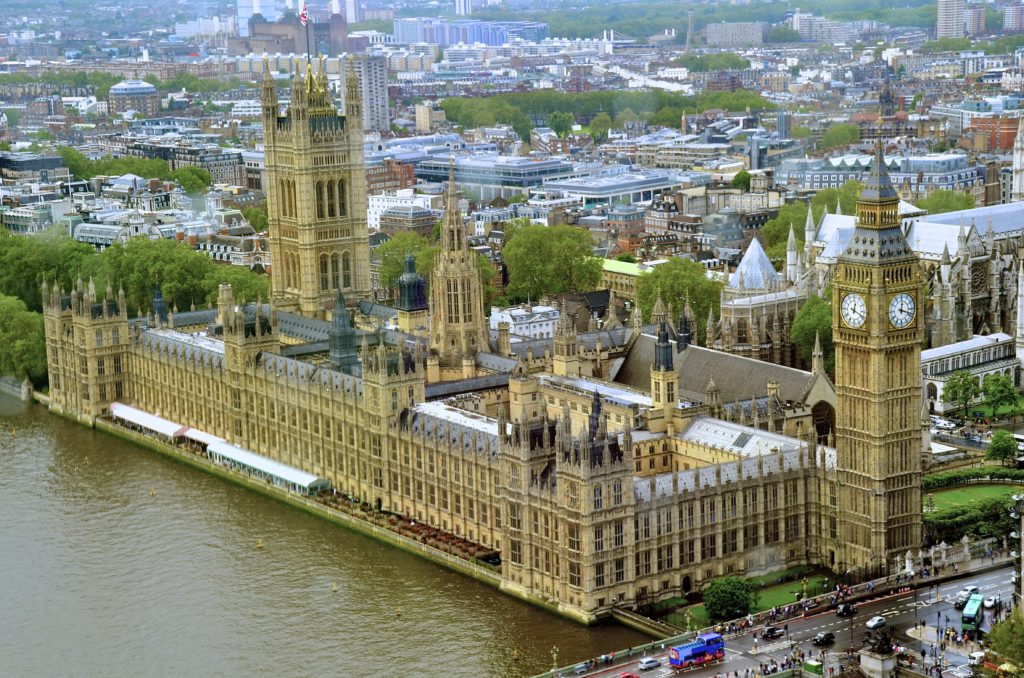
The Palace of Westminster
Perched on the
bank of the Thames, the Palace of Westminster symbolizes Great Britain’s
past, present and future. The story of the palace begins with the Old
Palace—a medieval fortress built by William II in 1097. The Old Palace
was home to decades of royal Kings, Queens, Princes and Princesses, up
until the year 1500 when it became the meeting place for Great Britain’s
Courts of Law and later the British Parliament.
Though the Old
Palace’s medieval presence is still alive in today’s modern structure,
the Old Palace is not the palace that exists at present. Destroyed by a
fire in 1837, the Old Palace was replaced by the New Palace—a massive
structure encompassing 1,100 rooms, 2 courtyards and the magnificent Big
Ben clock tower. Architect Sir Charles Barry was the creator of the New
Palace, and though he died before the palace was complete, he’d be
pleased to know that his architecture is London’s most famous icon and
that Big Ben has been stealing the hearts of young travelers since 1859.
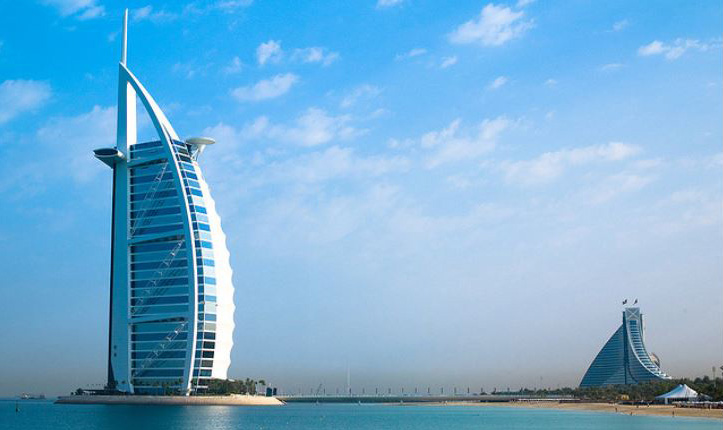
Burj Al Arab, Dubai, United Arab Emirates
The Burj Al
Arab is a stunning hotel, a symbol of modern Dubai and an architectural
feat. Built from 1994 to 1999, the Burj Al Arab is the third tallest
hotel in the world and possibly the most luxurious hotel ever. The
gleaming structure stands on an artificial island off of the coast of
Dubai, and looks like a giant glass sail. The building was designed by
consultancy group, Atkins, and was led by head designer Tom Wright. It
took over 2,000 construction workers and five years to create the
building, but it was definitely worth the effort.
Today, the Burj
Al Arab hotel is known as the only 7-star hotel in the world—with
incredibly lavish rooms, restaurants and accommodations. Though young
travelers don’t typically stay in the hotel (costs are up to 30,000$ a
night), people come from across the world to get a glance of the
sail-shaped masterpiece.
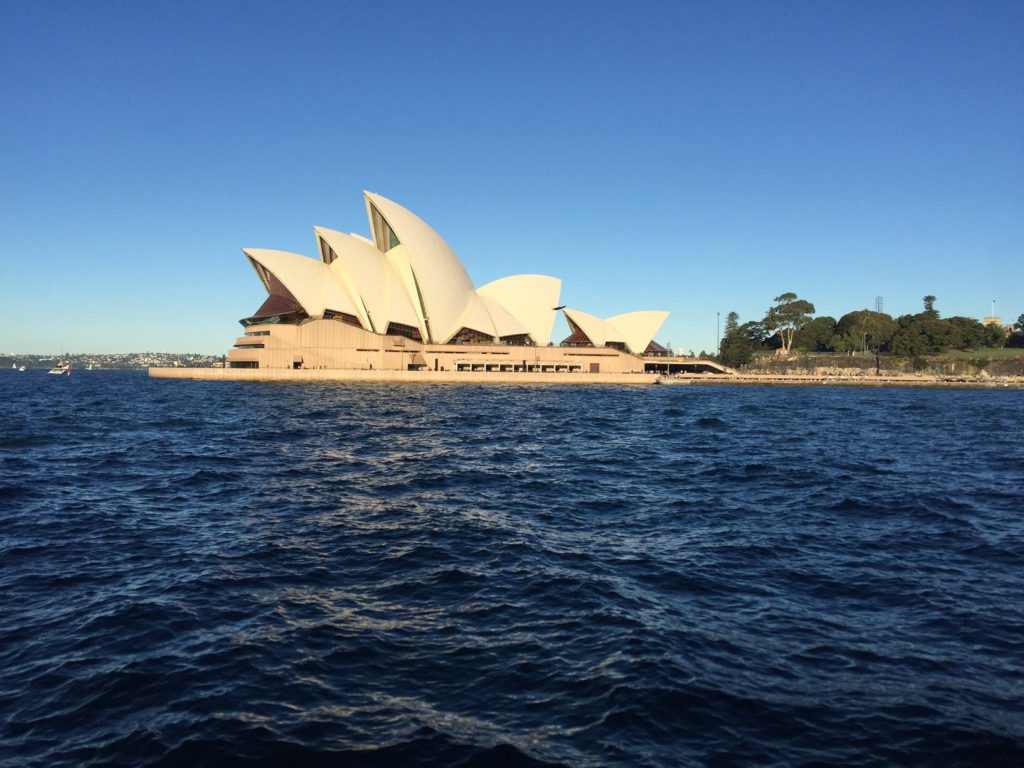
Sydney Opera House, Sydney, Australia
The Sydney
Opera House is Australia’s most distinctive work of architecture and
most visited landmark. The planning of the Opera House began in the
1940s, when Eugene Goossens, the Director of the NSW State
Conservatorium of Music, decided that Australia
needed a larger venue for theater. Years later, in 1955, Goossens held
an international design competition with more than 230 contestants from
32 different countries. Danish architect, Jorn Utzon, came out on top.
With no time to waste, construction began in 1958 and was completed in 3
stages. The first stage was the upper podium; the second, the two outer
shells; and the third, the interior design and construction. Fifteen
years and 102 Million dollars later, the expressionist building
encompassed a concert hall, two theatres, a studio, an outdoor
forecourt, a recording studio, a playhouse, a party venue, bars,
restaurants, retail stores and cafes.
The Sydney
Opera House is a one-of-a-kind, multi-venue performing arts center that
provides tourists with endless activity. It’s no wonder that 1.2 million
travelers visit the Opera House every year.
giovedì 19 gennaio 2017
who - whom - whose EXPLANATION and EXERCISES
WHO - WHOM - WHOSE
Subjects, Objects and Possessive Forms
To understand how to use "who," "whom," and "whose," you first have to understand the difference between subjects, objects, and possessive forms.
Subjects do an action:
He loves movies.
She goes to school.
We enjoy Chinese food.
Objects receive an action:
The teachers like him.
Thomas knows her.
The actor smiled at us.
Possessive forms tell us the person something/someone belongs to:
His bike is broken.
I like her new book.
The teacher graded our homework.
Her sister is gone.
"Who" is a Subject Pronoun
"Who" is a subject pronoun like "he," "she" and "we" in the examples above. We use "who" to ask which person does an action or which person is a certain way.
Examples:
Who made the birthday cake?
Who is in the kitchen?
Who is going to do the dishes?
"Whom" is an Object Pronoun
"Whom" is an object pronoun like "him," "her" and "us." We use "whom" to ask which person receives an action.
Examples:
Whom are you going to invite?
Whom did he blame for the accident?
Whom did he hire to do the job?
"Whose" is a Possessive Pronoun
"Whose" is a possessive pronoun like "his," "her" and "our." We use "whose" to find out which person something/someone belongs to.
Examples:
Whose camera is this?
Whose dog is barking outside?
Whose cell phone keeps ringing?
"Who," "Whom" and "Whose" in Indirect Questions
The sentence below contains an example of an indirect question:
I don't know whom he invited.
Such sentences usually start with a phrase such as: "I am not sure" or "He doesn't know" or "We don't care." Just ignore the first part of the sentence and look at the indirect question when deciding whether to use "who," "whom" or "whose." Ask yourself if the indirect question requires a subject, object, or possessive form.
Examples:
He doesn't know who the boss of the company is. subject of the indirect question
I don't care whom you invite. object of the indirect question
She isn't sure whose car that is. "Whose" shows possession of car.
"Who," "Whom" and "Whose" in Adjective Clauses
The sentence below contains an example of an adjective clause:
I know the man who won the contest.
Adjective clauses are used to describe a noun in the main sentence. In the example above, the adjective clause tells us about "the man." Just ignore the main sentence and look at the adjective clause when deciding whether to use "who," "whom" or "whose." Ask yourself if the adjective clause requires a subject, object, or possessive form.
Examples:
We knew the actress who starred in the movie. subject of adjective clause
They hired the man whom we interviewed last week. object of adjective clause
She knew the family whose house we bought. "Whose" shows possession of house.
"Whom" Less Common
The form "whom" is becoming less and less common in English. Many native English speakers think "whom" sounds outdated or strange. This trend is particularly common in the United States. Especially when combined with prepositions, most people prefer to use "who" as the object pronoun. To most native English speakers, the examples below sound quite natural.
Examples:
Who did you come to the party with?
I don't know who he gave the book to.
That is the woman who I was talking to.
Who did you get that from?
Do you have any idea who he sold his car to?
That is the person who I got the information from.
EXERCISES
WHO - WHOM - WHOSE
1. ______________ wrote this book?
2. ______________ are you going to recommend?
3. ______________ dictionary is on the table?
4. It doesn't look like this is the right address. ______________ did you ask for directions?
5. We have two extra tickets for the concert. ______________ wants to go with us?
6. It wasn't me! I have no idea ______________ left the oven on.
7. ______________ car is parked in the handicapped parking space? If someone doesn't move it, it's going to be towed.
8. The police have called in an expert to identify ______________ handwriting is actually on the ransom letter.
9. Do you remember ______________ received the Academy Award for best actress that year? Was it Nicole Kidman?
10. Melanie couldn't remember the name of the student ______________ science project received the $100,000 prize.
11. I know exactly ______________ I'm going to support in the upcoming election.
12. That's the professor ______________ spent 10 years living with the Pygmies in Central Africa.
13. She's the actress ______________ he so vividly describes in his scandalous new book.
14. Can you please tell me the names of the people ______________ helped organize the AIDS charity event?
15. The national park is being renamed in honor of Dian Fossey, ______________ scientific research and environmental efforts helped save the last remaining mountain gorillas.
Subjects, Objects and Possessive Forms
To understand how to use "who," "whom," and "whose," you first have to understand the difference between subjects, objects, and possessive forms.
Subjects do an action:
He loves movies.
She goes to school.
We enjoy Chinese food.
Objects receive an action:
The teachers like him.
Thomas knows her.
The actor smiled at us.
Possessive forms tell us the person something/someone belongs to:
His bike is broken.
I like her new book.
The teacher graded our homework.
Her sister is gone.
"Who" is a Subject Pronoun
"Who" is a subject pronoun like "he," "she" and "we" in the examples above. We use "who" to ask which person does an action or which person is a certain way.
Examples:
Who made the birthday cake?
Who is in the kitchen?
Who is going to do the dishes?
"Whom" is an Object Pronoun
"Whom" is an object pronoun like "him," "her" and "us." We use "whom" to ask which person receives an action.
Examples:
Whom are you going to invite?
Whom did he blame for the accident?
Whom did he hire to do the job?
"Whose" is a Possessive Pronoun
"Whose" is a possessive pronoun like "his," "her" and "our." We use "whose" to find out which person something/someone belongs to.
Examples:
Whose camera is this?
Whose dog is barking outside?
Whose cell phone keeps ringing?
"Who," "Whom" and "Whose" in Indirect Questions
The sentence below contains an example of an indirect question:
I don't know whom he invited.
Such sentences usually start with a phrase such as: "I am not sure" or "He doesn't know" or "We don't care." Just ignore the first part of the sentence and look at the indirect question when deciding whether to use "who," "whom" or "whose." Ask yourself if the indirect question requires a subject, object, or possessive form.
Examples:
He doesn't know who the boss of the company is. subject of the indirect question
I don't care whom you invite. object of the indirect question
She isn't sure whose car that is. "Whose" shows possession of car.
"Who," "Whom" and "Whose" in Adjective Clauses
The sentence below contains an example of an adjective clause:
I know the man who won the contest.
Adjective clauses are used to describe a noun in the main sentence. In the example above, the adjective clause tells us about "the man." Just ignore the main sentence and look at the adjective clause when deciding whether to use "who," "whom" or "whose." Ask yourself if the adjective clause requires a subject, object, or possessive form.
Examples:
We knew the actress who starred in the movie. subject of adjective clause
They hired the man whom we interviewed last week. object of adjective clause
She knew the family whose house we bought. "Whose" shows possession of house.
"Whom" Less Common
The form "whom" is becoming less and less common in English. Many native English speakers think "whom" sounds outdated or strange. This trend is particularly common in the United States. Especially when combined with prepositions, most people prefer to use "who" as the object pronoun. To most native English speakers, the examples below sound quite natural.
Examples:
Who did you come to the party with?
I don't know who he gave the book to.
That is the woman who I was talking to.
Who did you get that from?
Do you have any idea who he sold his car to?
That is the person who I got the information from.
EXERCISES
WHO - WHOM - WHOSE
1. ______________ wrote this book?
2. ______________ are you going to recommend?
3. ______________ dictionary is on the table?
4. It doesn't look like this is the right address. ______________ did you ask for directions?
5. We have two extra tickets for the concert. ______________ wants to go with us?
6. It wasn't me! I have no idea ______________ left the oven on.
7. ______________ car is parked in the handicapped parking space? If someone doesn't move it, it's going to be towed.
8. The police have called in an expert to identify ______________ handwriting is actually on the ransom letter.
9. Do you remember ______________ received the Academy Award for best actress that year? Was it Nicole Kidman?
10. Melanie couldn't remember the name of the student ______________ science project received the $100,000 prize.
11. I know exactly ______________ I'm going to support in the upcoming election.
12. That's the professor ______________ spent 10 years living with the Pygmies in Central Africa.
13. She's the actress ______________ he so vividly describes in his scandalous new book.
14. Can you please tell me the names of the people ______________ helped organize the AIDS charity event?
15. The national park is being renamed in honor of Dian Fossey, ______________ scientific research and environmental efforts helped save the last remaining mountain gorillas.
Iscriviti a:
Commenti (Atom)